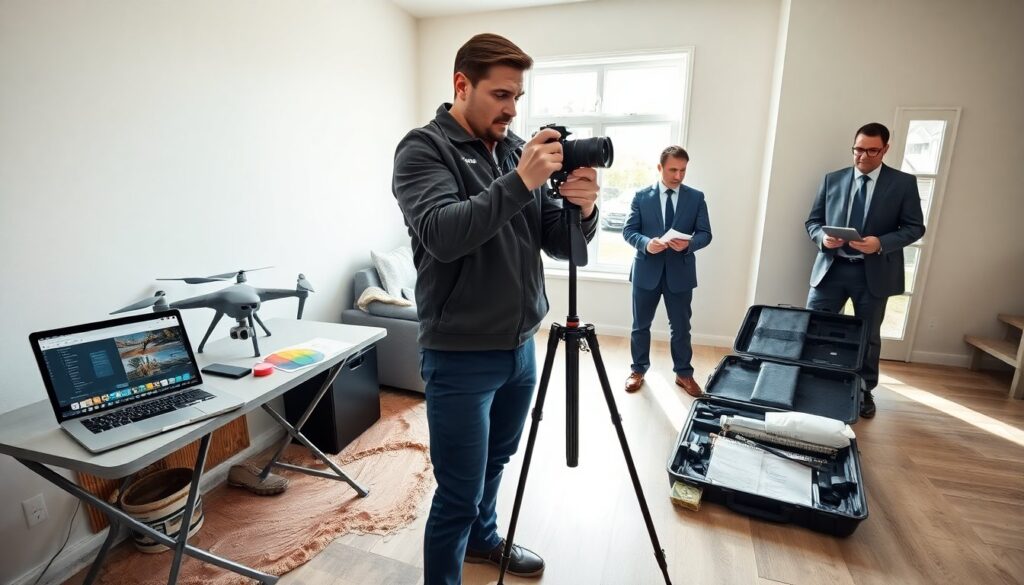

Skadesfotografen documents damage and creates evidence that insurers accept. The skadesfotografen photographs damage clearly, records context, and secures timestamps. The skadesfotografen prepares files that adjusters and lawyers can use. This guide explains the role, timing, methods, selection criteria, and how photos support claims.
Table of Contents
ToggleKey Takeaways
- A skadesfotografen is a specialized damage photographer who creates clear, time-stamped visual evidence accepted by insurers and legal teams.
- Hiring a skadesfotografen promptly after damage occurs helps document the full extent before cleanup or repairs begin, improving claim outcomes.
- Professional skadesfotografen use consistent photographic methods, high-quality equipment, and strict workflows to ensure the evidence is reliable and admissible.
- Selecting the right skadesfotografen involves reviewing experience with insurance claims, portfolio samples, and verifying data security and turnaround policies.
- Skadesfotografen deliver organized evidence packages with detailed captions and reports that accelerate insurance claims and support legal proceedings.
What Is a Skadesfotografen? Role, Scope, and Why It Matters
A skadesfotografen is a professional who photographs damage for insurance and legal use. The skadesfotografen inspects sites, identifies evidence, and captures images that show cause and extent. The skadesfotografen works with property owners, loss adjusters, and repair teams. The skadesfotografen documents visible damage, hidden damage, and contextual details like nearby hazards. The skadesfotografen reduces disputes by producing clear, time-stamped records. The skadesfotografen helps speed up claims and improves claim outcomes when images meet insurer standards.
When To Hire a Damage Photographer: Common Situations and Timing
Hire a skadesfotografen after a loss event and before cleanup when possible. The skadesfotografen documents floods, fires, vehicle collisions, vandalism, and theft. The skadesfotografen documents before repairs, before asbestos removal, and before demolition. The skadesfotografen documents incremental damage during ongoing incidents, such as progressive leaks. The skadesfotografen responds to emergency calls and scheduled inspections. The skadesfotografen helps policyholders prove pre-loss condition when insurers dispute liability. The skadesfotografen serves contractors, brokers, and legal teams that need neutral evidence.
How Skadesfotografen Document Damage: Core Methods and Best Practices
The skadesfotografen follows a clear method to make usable evidence. The skadesfotografen surveys the scene, sketches key areas, and plans shots. The skadesfotografen uses consistent angles, scales, and lighting to show size and depth. The skadesfotografen records close-ups, wide-context shots, and reference markers. The skadesfotografen logs observations in plain language and links notes to images. The skadesfotografen stores files in secure folders and labels images with case IDs. The skadesfotografen maintains a chain of custody and provides reports that adjusters can read quickly.
Techniques and Equipment Used by Professional Damage Photographers
The skadesfotografen uses cameras with high-resolution sensors and reliable autofocus. The skadesfotografen brings macro lenses for close texture shots and wide lenses for context. The skadesfotografen uses tripods for steady exposures and LED panels for even light. The skadesfotografen uses scales, rulers, and color charts to show size and color accuracy. The skadesfotografen uses drone cameras for roof and exterior work. The skadesfotografen carries backup batteries and redundant storage to avoid data loss. The skadesfotografen chooses gear that produces consistent, verifiable images.
Photo Workflow, Metadata, and Chain of Custody for Admissible Evidence
The skadesfotografen follows a strict workflow to keep files admissible. The skadesfotografen creates a case folder and assigns unique file names. The skadesfotografen embeds metadata that shows capture date, time, and device. The skadesfotografen records GPS coordinates when allowed. The skadesfotografen produces a short report that links each image to a note. The skadesfotografen hashes files or uses digital signatures to prove integrity. The skadesfotografen documents transfers and stores copies on secure servers. The skadesfotografen trains staff to follow chain-of-custody steps and to avoid edits that alter original evidence.
How To Choose the Right Skadesfotografen: Credentials, Samples, and Questions to Ask
The skadesfotografen should show experience with insurance claims and legal evidence. The skadesfotografen should show a portfolio of similar losses and case summaries. The skadesfotografen should provide references from adjusters and repair firms. The skadesfotografen should explain file formats, metadata practices, and storage policies. Ask the skadesfotografen about turnaround time, pricing, and courtroom experience. Ask the skadesfotografen if they carry professional liability insurance. Ask the skadesfotografen how they secure data and handle sensitive sites. The skadesfotografen that answers these questions clearly makes selection easier.
Working With Insurers, Adjusters, and Legal Teams: Presenting Photos That Win Claims
The skadesfotografen prepares exhibits that insurers can accept. The skadesfotografen formats images in the file types that adjusters request. The skadesfotografen writes concise captions that state what each photo shows and why it matters. The skadesfotografen provides timeline images that show progression when needed. The skadesfotografen delivers evidence packages with an index, a summary report, and raw files. The skadesfotografen stands ready to give sworn statements or testimony when required. The skadesfotografen helps legal teams by keeping documentation clear, dated, and unaltered.