
Iganonvier is a term that people use to label a specific social and technical practice. It refers to a set of actions that combine communication, validation, and iterative improvement. The article defines the word, shows how to say it, and lists clear characteristics. It also traces the history, explains cultural ties, and gives practical steps readers can follow.
Table of Contents
ToggleKey Takeaways
- Iganonvier is a concise communication method using brief updates, verification tags, and next-step notes to enhance clarity and speed decision making.
- The practice emphasizes brevity, traceability, and repeatability, making it ideal for remote teams, community projects, and informal networks.
- Adopting iganonvier reduces meeting times, increases transparency, and speeds up task delivery by providing frequent, clear progress checkpoints.
- Successful implementation involves setting a consistent update format and cadence, training members with examples, and using verification cues like links or timestamps.
- Avoid common mistakes like vague messages, missing evidence, and irregular updates by enforcing one concrete result per message and maintaining steady posting rhythms.
- Leaders should model clear iganonvier messages while balancing short updates with occasional deeper discussions to address complex issues effectively.
What Is Iganonvier? Definition, Pronunciation, And Key Characteristics
Iganonvier (pronounced ih-GAH-non-vee-ayr) refers to a repeatable method for sharing small, verifiable updates inside a group. It focuses on short messages, clear markers of progress, and quick feedback. The method uses simple signals to reduce confusion and speed decision making. Practitioners value clarity, frequent checkpoints, and minimal overhead.
Iganonvier uses three core parts. First, a concise update that states one change or one result. Second, a verification tag that indicates the source or evidence. Third, a next-step note that shows the immediate action. These parts keep communication short and useful.
The term applies across online teams, community projects, and physical workflows. It fits remote work, volunteer groups, and informal networks. Teams use iganonvier to avoid long status reports. Individuals use iganonvier to record progress and to ask for quick checks.
Key characteristics include brevity, traceability, and repeatability. Brevity limits each message to one idea. Traceability attaches a simple proof, like a link or a timestamp. Repeatability makes the practice routine: teams send updates at set intervals. Iganonvier favors clear signals over long explanations.
History, Etymology, And Cultural Context Of Iganonvier
The word iganonvier appeared in online forums in the late 2010s. Early adopters used it to name a practice that they found useful for open source projects. The word likely blends older roots that mean “report” and “check,” though the exact origin remains informal.
Communities shaped iganonvier behind chat platforms and lightweight task trackers. Developers and organizers refined the format by testing short update cycles. Over time, the practice moved from niche groups to broader teams that value rapid clarity.
Cultural adoption grew because people wanted simple signals during fast work cycles. Remote teams adopted iganonvier to replace long meetings. Community groups used it to coordinate volunteers across time zones. The method fits cultures that prefer direct work and fast feedback.
In 2026, iganonvier has local variations. Some groups include a status color or emoji. Others add a single metric with each update. These variations keep the core idea while adjusting to group norms. The term now appears in project guides and team playbooks.
Practical Uses, Benefits, And Step‑By‑Step How‑To Guide
Iganonvier offers clear benefits. It reduces meeting time, it increases transparency, and it speeds correction. Teams that use iganonvier report fewer misunderstandings and faster delivery of small tasks.
Use cases include daily stand-ins, bug triage, content review, and event coordination. A developer can send an iganonvier update after a code test. A volunteer lead can post an iganonvier update after a site check. Each update keeps the group aligned.
Step 1: Set a short format. Choose three fields: update, evidence, next step. Share the format in a pinned message or a template.
Step 2: Pick cadence. Decide how often the group posts updates. Options include hourly, daily, or per task. Keep the cadence consistent.
Step 3: Train the group. Show examples of good updates. Ask members to send practice updates for one week. Feedback helps establish norms.
Step 4: Add a verification cue. Use a simple proof item, for example a link, a screenshot, or a timestamp. The cue gives confidence in the claim.
Step 5: Review and improve. Hold a short weekly review. Track whether updates reduced questions or meetings. Adjust the format if needed.
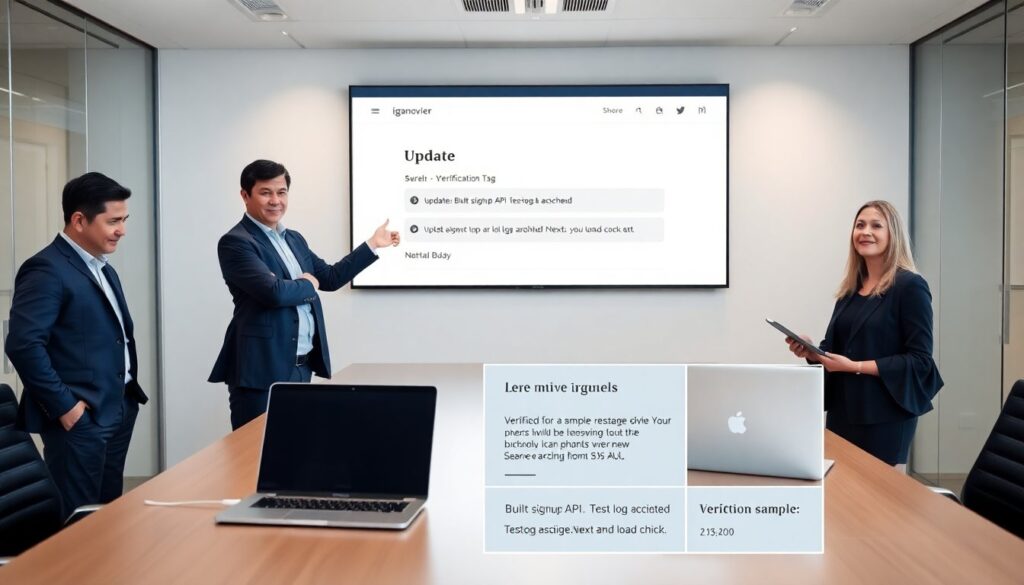
A sample iganonvier message reads: “Built signup API. Test log attached. Next: run load check.” This message follows the format and keeps the group informed.
The method works with chat tools, issue trackers, and email. Tools that support templates speed adoption. Teams can use a single channel for all iganonvier posts to keep records searchable.
Benefits grow when groups keep messages short. Short messages lower the cost to read and to respond. Short messages also let leaders scan many items fast. Over time, the group builds a clear record of work.
Common Mistakes, Risks, And Best Practices When Using Iganonvier
Common mistakes include vague updates, missing evidence, and irregular cadence. Vague updates hurt trust. Missing evidence forces others to ask for proof. Irregular cadence makes the practice unreliable.
Risk appears when teams use iganonvier in place of deeper conversations. Iganonvier can hide larger issues if members avoid longer discussion. Teams must balance short updates with occasional deep meetings.
Best practice: require one concrete result per message. Teams should reject multi-topic updates. Best practice: attach one verification item. Teams should prefer links or timestamps over vague claims. Best practice: keep cadence steady. A steady rhythm trains everyone to check the channel.
Teams should set limits. For critical decisions, require a formal thread or meeting. Use iganonvier for progress checks and for quick confirmations. Use longer formats for design or policy choices.
Leaders should model good messages. When leaders post clear iganonvier updates, others copy the pattern. The practice spreads by example.
Tools can help. Use templates, simple tags, and searchable archives. Automate reminders to post at set times. Automation keeps cadence without extra work.
With clear rules, iganonvier stays useful. The practice reduces friction and keeps work visible. Teams that follow simple rules gain the main benefits while limiting the risks.