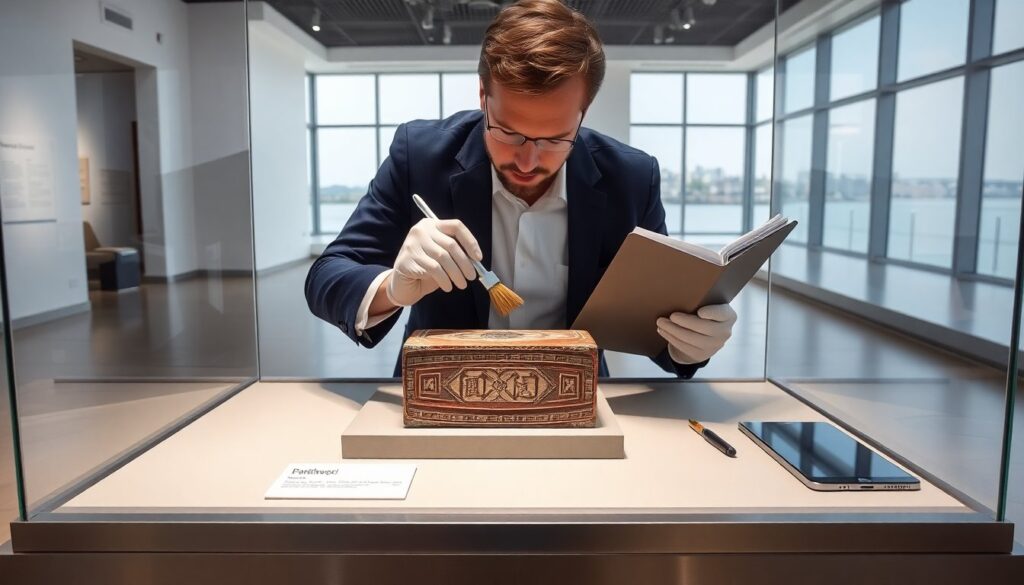

Pantinkyouzi appears as a single word in travel notes and museum labels. The term denotes a crafted object with clear visual rules and ritual use. This guide explains what pantinkyouzi means, how people say it, where it began, and how collectors and viewers can care for it. The text keeps facts direct and simple for quick understanding.
Table of Contents
ToggleKey Takeaways
- Pantinkyouzi is a culturally significant crafted object recognized by its layered ornamentation and repeating motifs that convey origin and status.
- Originating in coastal craft communities in the 1700s, pantinkyouzi evolved from trade tokens to ritual items and regional identity markers.
- Its name likely combines elements meaning “panel” and “small object,” with regional variations reflecting local styles and sounds.
- Materials like wood, lacquer, and metal highlight pantinkyouzi’s durability and symbolism, where colors and symbols convey messages of travel, protection, and celebration.
- Modern pantinkyouzi adaptations suit tourist markets and contemporary art, while authentic pieces are preserved in museums and documented collections.
- Collectors should verify authenticity by checking maker marks, provenance, and proper care methods to ensure the longevity of pantinkyouzi specimens.
What Is Pantinkyouzi? Meaning, Pronunciation, And Key Features
Pantinkyouzi refers to a distinct cultural object that combines form and symbol. Scholars define pantinkyouzi as a small decorated panel or token used in rites, display, or personal dress. Speakers pronounce pantinkyouzi with three stressed syllables: pan-tink-kyo-zi, though regional accents shorten the second syllable. Key features include a rectangular or oval base, layered ornamentation, and a repeating motif that denotes origin, status, or season. Collectors note that pantinkyouzi often carries maker marks. Museums list function, fabric, and provenance with each pantinkyouzi entry to aid study and authentication.
Historical Origins And Cultural Context
Researchers trace pantinkyouzi to coastal craft communities in the 1700s. Artisans began producing pantinkyouzi as tokens for travelers and as household markers. The objects moved along trade routes and entered local rituals by the 1800s. Local craft guilds regulated style and use. The item then spread inland where different groups adapted its imagery. In the 1900s collectors cataloged pantinkyouzi in private collections and museums, which helped standardize the term. Today, scholars treat pantinkyouzi as a marker of both regional identity and craft exchange.
Etymology And Regional Variations
The name pantinkyouzi likely combines a root that meant “panel” with a suffix that meant “small object.” Linguists suggest pant- as panel and -zy or -zi as diminutive. Regions adjusted the word to local sounds, producing variations like pantinkyoozi or pantinkyozi. Makers altered form and motif to match local taste. Coastal pantinkyouzi typically show wave patterns. Inland pantinkyouzi often show geometric fields. These differences help experts locate a pantinkyouzi by style and by maker marks.
Visual Characteristics, Uses, And Modern Adaptations
A viewer can identify pantinkyouzi by its layered surface and clear motif. Most pantinkyouzi use a central emblem framed by bands. The objects serve as tokens of identity, gifts, or small altar pieces. Craftspeople adapted pantinkyouzi to new markets in the 20th century. They simplified detail for tourist trade and created versions for jewelry and wall display. Contemporary artists print pantinkyouzi patterns on textiles and posters. Galleries now show historical pantinkyouzi beside modern works to highlight change in scale and use. The modern market includes museum-grade pantinkyouzi and affordable reproductions.
Materials, Symbols, And Color Significance
Pantinkyouzi makers work with wood, lacquer, metal, and stiffened cloth. Wood gives structure and a warm grain. Lacquer adds shine and durability. Metal inserts act as highlights and maker marks. The symbols on pantinkyouzi include waves, stars, and tool motifs. Each symbol signals a specific meaning: waves tie to travel, stars tie to navigation, and tools tie to craft lineage. Colors carry clear signals. Red marks celebration, blue marks protection, and neutral tones mark daily use. Experts read color and symbol together to interpret a pantinkyouzis purpose.
Modern Adaptations And Where To See Pantinkyouzi Today
Museums in coastal regions hold core pantinkyouzi collections. Regional museums display early panels with full labels. Contemporary craft fairs feature new pantinkyouzi by living makers. Online collections help researchers compare pieces across collections. Cities with strong craft scenes also host pop-up shows that feature pantinkyouzi-inspired designs. Tourists can buy reproductions at local markets. Buyers who want original pantinkyouzi should consult museum catalogs and trusted dealers. Scholarly journals publish periodic surveys that list current exhibitions and catalog sales of pantinkyouzi.
Collecting, Caring, And Authenticity Tips
Collectors should inspect a pantinkyouzi for maker marks, wear, and correct joinery. Authentic pantinkyouzi show tool marks and age-consistent wear. A conservator can test materials to confirm age without harming the object. Collectors should ask for provenance documents and prior sale records. Storage matters: store pantinkyouzi flat in breathable mounts and avoid direct sunlight. Use acid-free tissue and stable humidity near fifty percent to reduce cracking. For cleaning, consult a conservator: do not use household solvents on lacquer or inlay. Buyers who follow these steps reduce risk and keep pantinkyouzi in good condition.